

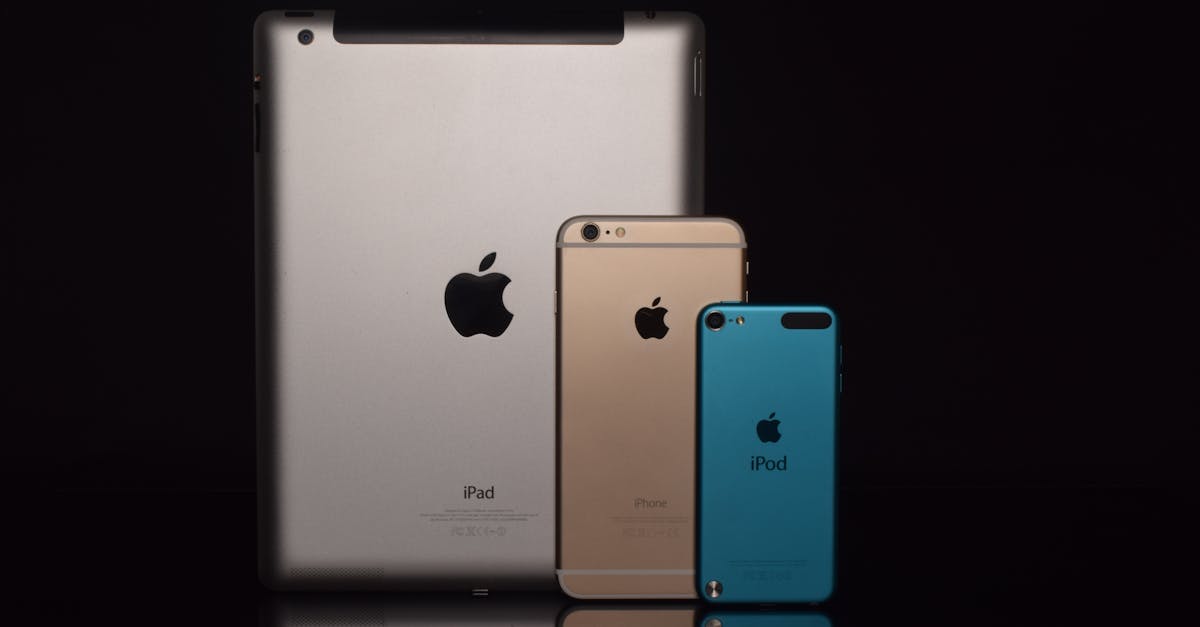
Apple Reports Best-Ever iPhone Sales As Mac Dips: What It Means for US Consumers
Meta Description: Explore the recent financial performance where Apple reported record iPhone sales, while Mac sales saw a decline. This analysis delves into the implications for US consumers, the tech industry, and what these trends suggest for future product development and consumer choices.
Keywords: Apple iPhone sales, Mac sales dip, best-ever iPhone, Apple financial report, US tech market, consumer electronics, smartphone market share, personal computer sales, Apple ecosystem, tech trends
Recent reports indicate Apple has achieved its strongest-ever sales performance for the iPhone, a significant accomplishment in a competitive market. Simultaneously, sales for its Mac product line have experienced a downturn.
This divergent performance suggests a continued consumer preference for mobile devices and a more challenging environment for personal computers. For US users, this means potential shifts in product innovation focus, app development priorities, and pricing strategies across Apple's device ecosystem.
- Understanding the Numbers: Apple's Latest Performance
- The Unstoppable iPhone: Driving Record Sales
- Mac's Mixed Performance: A Dip in the PC Landscape
- Implications for US Consumers and the Tech Industry
- Expert Analysis: Why the Divergence?
- What's Next for Apple and US Tech Users?
- Frequently Asked Questions
- Conclusion
Understanding the Numbers: Apple's Latest Performance
Apple's latest financial disclosures paint a picture of robust growth in its most iconic product category, the iPhone, while other segments, notably Mac, show signs of contraction. This news highlights the company's ongoing strategy and the dynamic nature of the consumer electronics market.
The iPhone's performance is particularly noteworthy, setting new benchmarks for the company. This success is a testament to the enduring appeal of Apple's smartphone lineup, its ecosystem, and its ability to maintain strong consumer demand.
The Unstoppable iPhone: Driving Record Sales
Reports confirm that Apple has secured its best-ever sales figures for the iPhone. This achievement comes as the company continues to innovate its flagship smartphone line, with recent models often featuring enhanced camera capabilities, more powerful processors, and improved display technology. The premium pricing strategy for iPhones has historically proven effective, allowing Apple to capture significant revenue even with strong competition.
Factors contributing to this success likely include:
- Continued strong demand for the latest iPhone models.
- The strength of the Apple ecosystem, encouraging user loyalty and upgrades.
- Effective marketing and brand positioning in the US and globally.
- Appealing financing options and trade-in programs.
This record-breaking performance underscores the iPhone's position as a dominant force in the global smartphone market, and a key driver of Apple's financial success.
Mac's Mixed Performance: A Dip in the PC Landscape
In contrast to the iPhone's triumph, the Mac lineup has experienced a dip in sales. The personal computer market has faced significant headwinds in recent years, grappling with longer upgrade cycles and the shift towards mobile computing. While Macs remain popular among professionals and creatives, the broader PC market has seen a decline in shipments.
Several factors may be contributing to the Mac's performance:
- A general slowdown in the PC market worldwide.
- Potential delays in new product releases or refresh cycles for certain Mac models.
- Increased competition from other laptop and desktop manufacturers.
- A consumer shift in spending priorities towards mobile devices and services.
Despite the dip, Macs continue to hold a significant share of the premium personal computer segment, and Apple's integration of its own silicon has brought notable performance and efficiency gains.
The iPhone's record sales highlight the continued primacy of the smartphone in daily life and its role as a central hub for communication, entertainment, and productivity. For US consumers, this means continued innovation and robust competition within the smartphone arena. The Mac's dip, while concerning for the PC market, reflects a broader trend of people relying less on traditional computers for basic tasks, favoring the portability and versatility of phones and tablets.
Implications for US Consumers and the Tech Industry
This performance divergence carries significant implications for US consumers and the broader tech industry. The dominance of the iPhone reinforces its central role in the digital lives of many Americans. This may lead to:
- Continued investment by app developers in iOS-first experiences.
- Further integration of iPhone capabilities with other Apple services and devices.
- Potential for new iPhone models to incorporate even more advanced features, driven by consumer demand and record revenues.
For the PC market, the Mac's dip suggests that innovation in this space needs to address evolving user needs. This could mean a greater emphasis on hybrid devices, enhanced portability, or more compelling reasons for professionals to upgrade their desktop and laptop hardware. The tech industry as a whole will be watching to see how Apple balances its investments and product development across these differing segments.
Expert Analysis: Why the Divergence?
The distinct performance of the iPhone and Mac can be attributed to several market dynamics. Smartphones have become indispensable tools, serving as primary computing devices for a large portion of the population. The consistent release of new iPhone models, each offering tangible improvements, fuels upgrade cycles. Consumers are more willing to replace their phones every few years compared to personal computers.
Conversely, the PC market has matured. While powerful, many users find their existing computers sufficient for their daily needs, leading to extended ownership periods. Apple's own M-series chips for Macs have provided substantial performance boosts, potentially extending the useful life of existing hardware for many users, thus slowing down new purchase cycles.
Industry analysts suggest that Apple might re-evaluate its strategy for the Mac line. This could involve focusing on specific professional user segments, exploring more convertible or versatile form factors, or potentially integrating Mac-like functionality more deeply into iPadOS to capture users seeking a middle ground.
What's Next for Apple and US Tech Users?
Looking ahead, Apple's continued success with the iPhone provides a strong foundation for future innovation. US consumers can anticipate further advancements in mobile technology, including potential leaps in camera AI, battery efficiency, and augmented reality integration. The record revenues from iPhone sales will likely fuel research and development across Apple's entire product portfolio.
For the Mac, the challenge will be to re-ignite consumer interest. This might involve introducing more compelling new product categories or significantly refreshing existing lines with features that clearly differentiate them from previous generations and competitors. The ongoing competition in the PC space means that Apple will need to offer strong value propositions to encourage upgrades.
The trend of consumers consolidating their computing needs into fewer, more powerful devices will likely continue. This dynamic means the iPhone's role as a central device in the Apple ecosystem is set to grow, influencing how users interact with all their technology.
Frequently Asked Questions
What does "best-ever iPhone sales" mean?
It indicates that in the reporting period, Apple sold more iPhones than in any previous comparable period.
Why are Mac sales dipping?
This is likely due to a general slowdown in the PC market, longer upgrade cycles, and possibly evolving consumer priorities shifting towards mobile devices.
Will this impact the price of iPhones or Macs for US consumers?
Record iPhone sales could support premium pricing, while a dip in Mac sales might eventually lead to more competitive pricing or promotional offers to stimulate demand.
Is this a sign that personal computers are becoming obsolete?
Not necessarily obsolete, but their role is evolving. Mobile devices and tablets are meeting many daily computing needs, leading to a redefinition of how and when PCs are used.
What are Apple's main revenue drivers?
Historically, the iPhone has been Apple's largest revenue contributor, followed by its Services division and then other hardware categories like Mac, iPad, and Wearables.
Conclusion
The recent financial reports from Apple reveal a company strongly anchored by its iPhone, which continues to achieve remarkable sales milestones. While the Mac faces a challenging market, the overall performance highlights the enduring consumer demand for Apple's mobile technology. US consumers can expect continued innovation within the iPhone ecosystem and a watchful eye on how Apple addresses the evolving PC landscape.
Post a Comment