

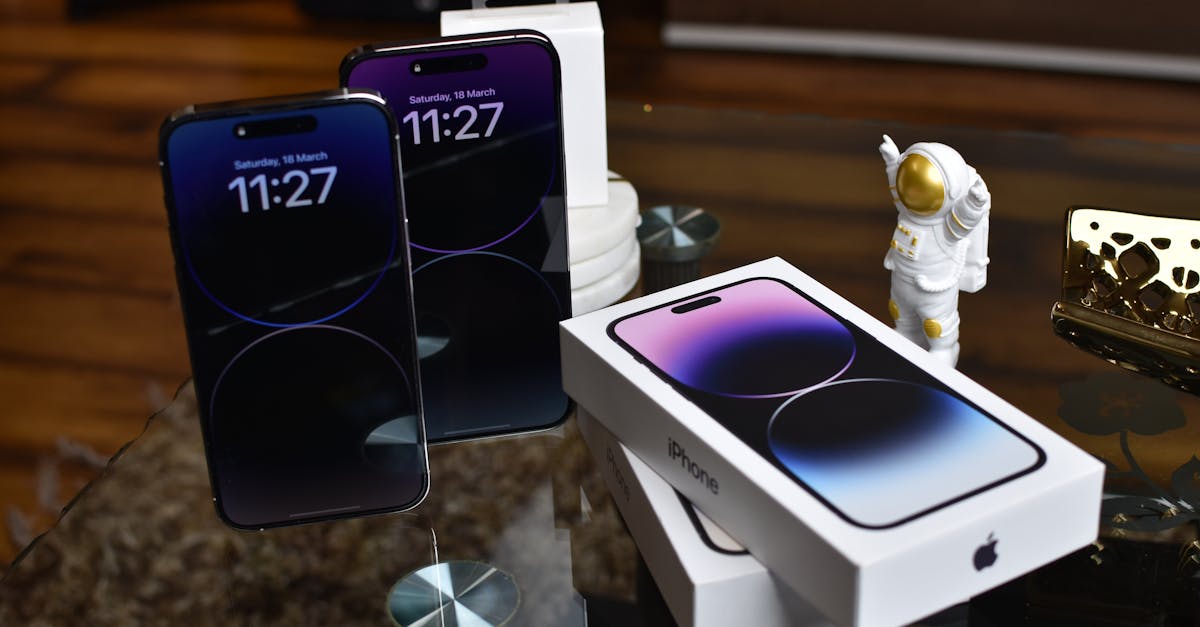
Photo by Avinash Kumar on Pexels
Apple’s Crucial iPhone Upgrade Decision Means Hundreds Of Millions Must Update Now: A Deep Dive into the Latest Mandates
Meta Description: Explore the implications of Apple's recent crucial iPhone upgrade decision impacting hundreds of millions of users. Understand why updating is now essential and what this means for US consumers and the tech industry, focusing on security, features, and long-term device viability.
Keywords: Apple iPhone upgrade, iPhone update, iOS update mandatory, iPhone security update, Apple device compatibility, US iPhone users, tech industry implications, critical software update, iPhone support lifecycle, hundreds of millions update now
A pivotal decision by Apple regarding its iPhone operating system mandates that hundreds of millions of users must perform critical updates. This move is driven by a combination of enhanced security protocols, the integration of advanced features, and the need to maintain device compatibility and longevity. For US iPhone owners, this means that older, unsupported devices may soon face significant limitations, potentially impacting their functionality and security. The tech industry is closely watching the ripple effects, from app developer strategies to the secondary market for iPhones.
Understanding Apple’s Crucial iPhone Upgrade Decision Means Hundreds Of Millions Must Update Now
Recent developments from Apple indicate a crucial decision has been made, necessitating significant software updates for a vast segment of its user base. This imperative for hundreds of millions of iPhone users to update their devices is not merely a recommendation; it appears to be a de facto requirement for continued optimal performance and security. The scope of this update implies that a substantial portion of the global and US iPhone market, particularly those with devices that have been in circulation for several years, will need to take action. This move underscores Apple's ongoing commitment to security and its strategy for managing its extensive device ecosystem.
The Context: Why Now?
The technology landscape is constantly evolving, and operating system updates are a routine part of maintaining device health and security. However, the current mandate appears to be more significant than a standard patch. Industry speculation suggests that the decision is driven by several converging factors. These include the identification of critical security vulnerabilities that affect a broad range of older hardware and software configurations, as well as the rollout of new core technologies that require more robust system architecture. Apple often phases out support for older hardware to streamline its development efforts and ensure that its latest innovations can be delivered effectively to the majority of its active user base. This strategic shift is designed to enhance the overall user experience and protect users from emerging threats.
Key Details of the Required Update
While specific technical details are often disclosed upon official release, early reports suggest that the required update addresses several key areas:
- Enhanced Security Protocols: The update is anticipated to introduce more stringent security measures, likely patching vulnerabilities that could be exploited by malicious actors. This is paramount given the sensitive data many users store on their iPhones.
- New Core Functionalities: It is expected that the update will enable new features or improve existing ones that are integral to the future direction of the iOS ecosystem. This could include advancements in AI, augmented reality, or system performance.
- Compatibility Requirements: To ensure smooth operation and access to future applications and services, certain hardware capabilities will likely be prerequisites. This means older devices may not meet the new minimum requirements.
- Long-Term Support Strategy: This decision also signals a clear point where support for older operating system versions will likely diminish, encouraging users to upgrade their hardware to stay within the supported lifecycle.
From a security perspective, mandated updates are crucial. The longer a device runs on an outdated operating system, the more exposed it becomes to known and unknown threats. For Apple, managing hundreds of millions of devices means maintaining a delicate balance between supporting older hardware and pushing for the adoption of newer, more secure technologies. This decision likely reflects a strategic pivot to ensure the security integrity of its entire user base, even if it means phasing out support for some older models.
Implications for Hundreds of Millions of US iPhone Users
For the hundreds of millions of iPhone users across the United States, this crucial update decision carries significant weight. Users with newer models will likely experience a seamless transition, receiving enhanced security and new functionalities. However, the primary impact will be felt by owners of older iPhones.
- For Older Device Owners: Those who possess models that are several years old might find themselves unable to install the latest required update. This could lead to:
- Reduced access to new applications that require the updated OS.
- Potential security risks as older software becomes more vulnerable.
- Loss of access to certain Apple services or features.
- Decreased resale value of their devices.
- For the Tech Industry: This mandate has broader implications.
- App Developers: Developers will need to adapt their applications to be compatible with the new OS, potentially requiring them to drop support for older iOS versions.
- Secondary Market: The value and availability of older iPhone models on the used market may decline as they become less capable and secure.
- New Device Sales: This could act as a catalyst for many users to upgrade to newer iPhone models, potentially boosting sales for Apple.
Expert Analysis: Security, Features, and Longevity
The decision to necessitate an update for hundreds of millions of iPhones is a multifaceted strategy. Security is undoubtedly the paramount concern. Apple, like all major tech companies, faces constant threats, and a proactive approach to patching vulnerabilities is essential for maintaining user trust. By requiring this update, Apple is effectively raising the baseline security for a vast number of its devices.
Beyond security, the introduction of new features is a key driver. Modern operating systems are increasingly reliant on advanced hardware capabilities, such as machine learning accelerators and improved processing power, which are often found in newer devices. This update likely paves the way for more sophisticated AI-driven features and enhanced user experiences that older hardware simply cannot support efficiently or at all.
The aspect of longevity is also critical. Apple has a reputation for supporting its devices with software updates for many years, often longer than its competitors. However, there is a practical limit. This crucial decision signals a point where the company is making a strategic choice to focus its resources on supporting the most prevalent and capable devices, ensuring that the experience for the majority remains robust and secure. It’s a necessary, albeit potentially disruptive, step in managing a massive and diverse product ecosystem.
What's Next for iPhone Users?
For US iPhone users, the immediate next step is to check their device's software update status. Navigating to Settings > General > Software Update will provide information on available updates. Users with compatible devices should proceed with the update to ensure continued security and access to the latest features.
For those whose devices are no longer supported by this crucial update, considerations will include:
- Assessing Device Viability: Understanding the limitations and security risks of continuing to use an unsupported device.
- Exploring Upgrade Options: Considering newer iPhone models that are guaranteed to receive current and future updates.
- Data Management: Ensuring important data is backed up, especially if considering transitioning to a new device.
Apple's strategy indicates a clear push towards modernizing its user base, prioritizing security and innovation for the majority.
Frequently Asked Questions
Which iPhone models are likely affected by this crucial update?
While Apple has not specified exact models, historically, iPhones that are five years or older are often the first to lose support for major OS updates. Devices like the iPhone 8, iPhone X, and potentially iPhone 11 series could be impacted.
Will my apps stop working if I don't update?
If you are on an older, unsupported OS version, new apps may not be available for download, and existing apps might eventually stop functioning correctly or receiving updates themselves.
Is this an optional update or mandatory?
Apple typically labels updates as mandatory for security purposes. While technically users can choose not to update, doing so will leave their devices vulnerable and may lead to functional limitations.
What are the security risks of not updating?
Not updating leaves your device exposed to known security vulnerabilities that have been patched in newer versions. This can make your device susceptible to malware, data theft, and other cyber threats.
How can I back up my iPhone before updating?
You can back up your iPhone using iCloud (Settings > [Your Name] > iCloud > iCloud Backup > Back Up Now) or by connecting to a computer and using Finder (macOS Catalina or later) or iTunes (older macOS and Windows).
Conclusion
Apple’s crucial iPhone upgrade decision means hundreds of millions must update now to maintain security, access new features, and ensure their devices remain functional within the evolving ecosystem. This move, while potentially presenting challenges for owners of older hardware, is a strategic imperative for Apple to safeguard its vast user base and continue its innovation roadmap. US iPhone users are encouraged to check for and install the latest available software updates promptly to benefit from enhanced security and an optimal user experience. For those with older devices, understanding the implications of discontinued support is essential for making informed decisions about future technology needs.
Post a Comment