

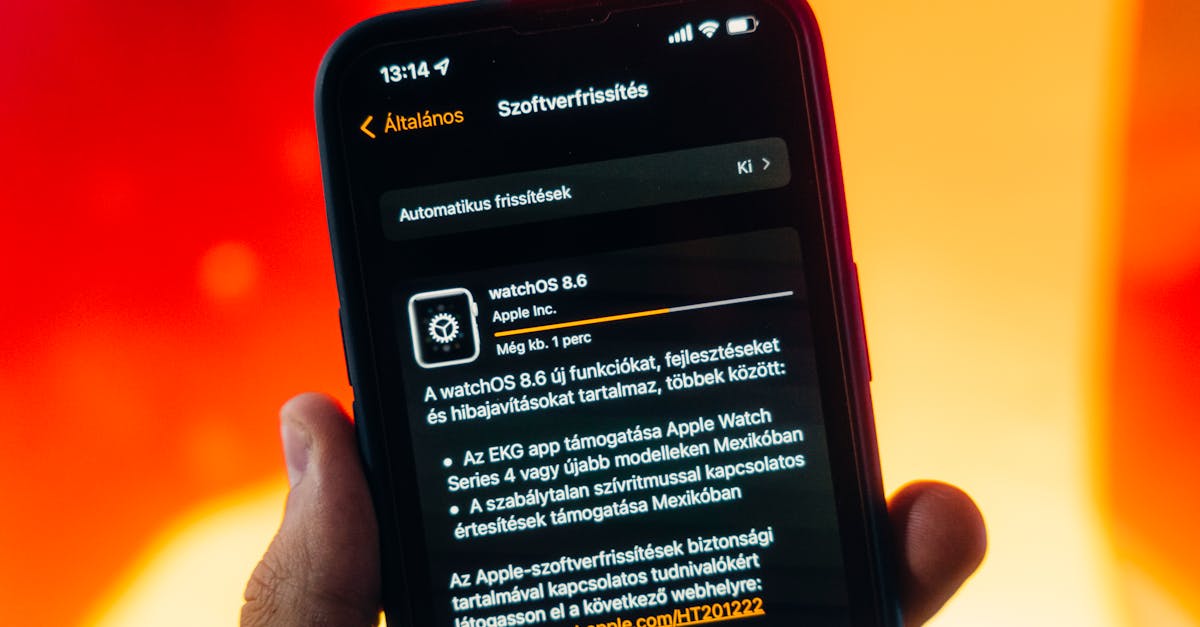
Photo by Szabó Viktor on Pexels
iPhone 5s Gets New Software Update 13 Years After Launch - MacRumors
Meta Description: Explore the surprising new software update for the iPhone 5s, released 13 years after its initial launch. Understand the implications for long-term device support and the US tech landscape.
Keywords: iPhone 5s, software update, 13 years, Apple iPhone, iOS update, legacy devices, US tech, tech support, smartphone history, iPhone 5s update
A new software update has been released for the iPhone 5s, a device that launched 13 years ago. This unusual development for a 13-year-old smartphone raises questions about long-term device support and the longevity of Apple's product ecosystem. For US users, this event underscores the extended usability of older hardware and the potential for continued security and minor feature enhancements.
Background: The iPhone 5s Era
The iPhone 5s, initially launched in September 2013, was a significant release in the smartphone market. It introduced the A7 chip, the first 64-bit processor in a smartphone, and Touch ID, a fingerprint recognition sensor integrated into the home button. At the time of its release, it represented the cutting edge of mobile technology and was a popular choice for consumers across the United States.
For many years, the iPhone 5s received regular iOS updates, gradually supporting newer versions of Apple's mobile operating system. However, like all electronic devices, it eventually reached the end of its major software support cycle, meaning it stopped receiving new feature updates and the latest iOS versions. This is a standard practice in the tech industry, as hardware capabilities often limit the performance and compatibility of newer software.
New Software Update: What's Inside?
Recent reports indicate that the iPhone 5s is receiving a new software update, a remarkable 13 years after its debut. While details on the specific version number are emerging, early indications suggest this is not a full iOS feature release. Instead, it is likely a minor update focused on security enhancements and potentially critical bug fixes.
Updates for older devices often address vulnerabilities that may have been discovered or exploited since the device last received significant support. Such updates are crucial for maintaining the security of user data and preventing malware from affecting older hardware that may still be in use. The exact nature and scope of this update are still being confirmed.
Implications for US Users and the Tech Industry
The release of a new software update for the iPhone 5s has several notable implications for users in the United States and the broader tech industry:
- Extended Device Lifespan: This update suggests a commitment to supporting older hardware for a longer period than might be typically expected. For US consumers who still own an iPhone 5s, this offers a tangible benefit by improving its security posture.
- Security for Legacy Devices: Many individuals, particularly in developing regions or those on tighter budgets, may still be using older smartphones. Providing security updates ensures these devices remain less vulnerable to cyber threats, protecting personal information.
- Consumer Expectations: This development could influence consumer expectations regarding the lifespan and support of electronic devices. It might encourage users to hold onto their devices for longer, if viable security updates are provided.
- Sustainability Efforts: In an era increasingly focused on sustainability and reducing electronic waste, extending the life of existing devices through software support is a positive step. It aligns with efforts to reduce the environmental impact of technology.
The continuation of software support for devices like the iPhone 5s, even after more than a decade, is a strategic move. While the user base for such old devices is small, it demonstrates a dedication to security across the product spectrum. This can build brand loyalty and a perception of long-term value, which are critical in the highly competitive US smartphone market.
Expert Analysis of Extended Support
The decision to issue a new software update for a 13-year-old device like the iPhone 5s is unusual. Typically, smartphone manufacturers focus their development resources on supporting current and recently released models. However, there are compelling reasons for this approach:
- Security Patching: The primary driver for such updates is almost always security. Vulnerabilities are constantly being discovered in software, and even older operating systems can be susceptible. Releasing patches prevents these devices from becoming easy targets for hackers.
- Limited Scope: It is highly probable that this update is a minor patch rather than a full feature rollout. The hardware of the iPhone 5s is not capable of running the latest iOS features or demanding applications. Therefore, the update's impact will be limited to essential system functions and security protocols.
- Brand Reputation: For manufacturers like Apple, maintaining a reputation for long-term support can be a significant differentiator. It can reassure consumers that their investment in the ecosystem will be protected for an extended period, even with older devices.
- Potential for Exploits: If a significant security flaw were to be found in an older, unpatched operating system, it could potentially be used to compromise newer devices or the broader network if user accounts are still active. Addressing these vulnerabilities across the product line is a prudent measure.
What's Next for Legacy Devices?
This event raises the question of how other older devices might be treated in the future. While not every device may receive updates 13 years after its launch, it sets a precedent that could influence support policies for other aging technology. For US consumers, this means that older, functional devices might remain viable for longer, especially for basic tasks like communication and secure browsing.
The focus on security for legacy devices also highlights the growing importance of cybersecurity for all users, regardless of the age of their hardware. The tech industry as a whole may continue to explore ways to provide essential security updates to a wider range of devices, contributing to a more secure digital environment.
Frequently Asked Questions
What is the iPhone 5s?
The iPhone 5s is a smartphone released by Apple in 2013, notable for its 64-bit processor and Touch ID fingerprint sensor.
When was the iPhone 5s released?
The iPhone 5s was released in September 2013.
What kind of update is the iPhone 5s receiving?
Early reports suggest it is a minor update focused on security enhancements and bug fixes, not new features.
Why is Apple updating such an old phone?
The primary reason is likely to address security vulnerabilities and protect users with older devices.
Will this update improve the performance of my iPhone 5s?
The update is not expected to significantly improve performance, as the iPhone 5s hardware has limitations. Its main benefit is enhanced security.
What are the implications for US users?
US users with an iPhone 5s can benefit from improved security, extending the device's usability for basic functions.
Conclusion
The unexpected software update for the iPhone 5s, released 13 years after its initial launch, is a significant event in smartphone history. It demonstrates a remarkable commitment to device longevity and user security, offering tangible benefits to the small but dedicated segment of US users who may still own this device. This move by the manufacturer could reshape expectations around product support and sustainability in the tech industry. For those with an iPhone 5s, ensuring this update is installed is a prudent step for maintaining device security.
Post a Comment