

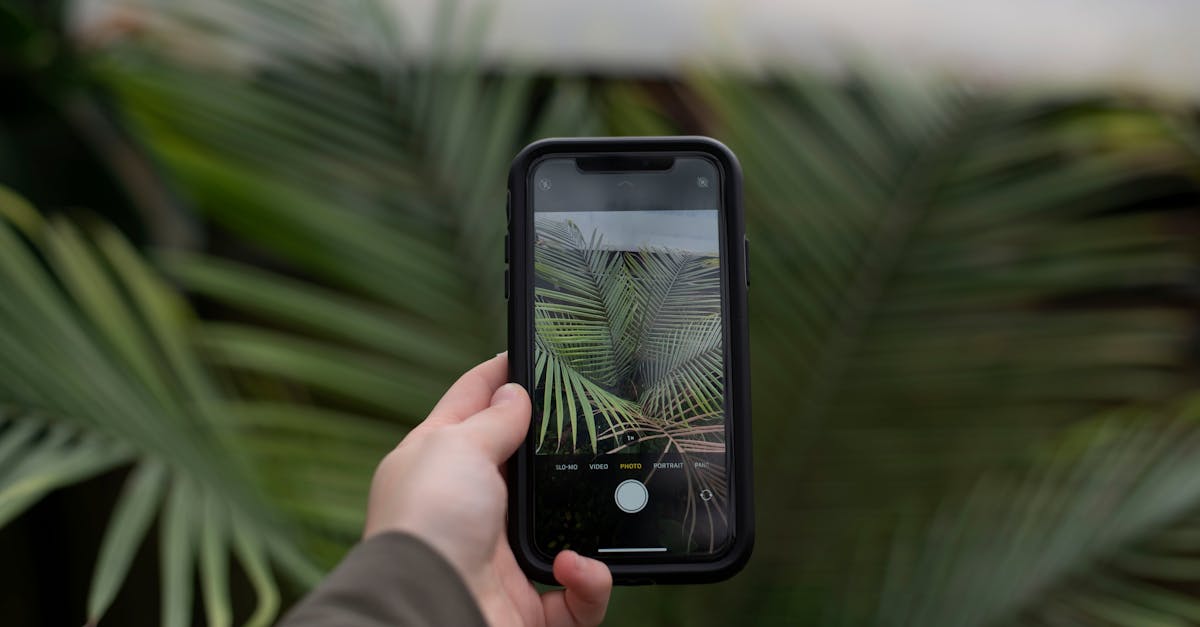
Photo by Julissa Helmuth on Pexels
Unpacking the Speculation: iPhone 200MP Cameras by 2028 and Their Impact on US Tech
Meta Description: Early industry speculation suggests the iPhone could feature 200MP cameras by 2028. Explore what 200MP iPhone camera technology means for US consumers, mobile photography, and the broader tech landscape, including implications for image quality, data storage, and computational photography.
Keywords: iPhone 200MP cameras 2028, 200MP iPhone camera technology, iPhone camera upgrades, mobile photography trends, smartphone cameras 2028, US tech innovation, computational photography, high-resolution smartphone cameras
Early industry reports indicate the iPhone could integrate 200MP cameras by 2028, a significant leap in mobile photography. This potential development signals major advancements in image detail, cropping flexibility, and computational photography. For US consumers, it could redefine how they capture and share moments, pushing the boundaries of what smartphones can achieve. However, this evolution also brings considerations regarding data storage, processing power, and the overall smartphone ecosystem.
Introduction to the 200MP iPhone Camera Speculation
The world of smartphone photography is constantly evolving, with manufacturers pushing the limits of compact camera technology. Recent industry speculation has captured significant attention, suggesting a monumental leap on the horizon: the iPhone could feature 200MP cameras by 2028. This potential advancement underscores a continuous drive towards higher resolution and enhanced imaging capabilities in mobile devices. While such long-range predictions remain fluid, they offer a glimpse into the future trajectory of smartphone development and its profound implications for photography enthusiasts and everyday users alike in the United States.
The shift towards increasingly powerful camera sensors reflects a broader trend in the tech industry. As smartphones become the primary cameras for millions, the demand for professional-grade imaging tools in a portable format intensifies. A 200MP iPhone camera technology would not merely represent a numerical upgrade but a fundamental transformation in how mobile devices capture and process visual information, setting new benchmarks for the entire smartphone market.
Technical Implications of 200MP Resolution
A 200MP sensor within an iPhone by 2028 would usher in a new era of technical capabilities. The most immediate benefit is the sheer level of detail captured. Images would possess an unprecedented richness, allowing for extreme cropping without significant loss of quality, a boon for content creators and casual photographers. This high pixel count typically relies on advanced pixel-binning technology, where multiple physical pixels combine to form larger "super pixels," improving light gathering in challenging conditions and producing high-quality 12MP or 50MP images with greater clarity and less noise.
However, processing such vast amounts of data requires equally advanced computational photography. The iPhone's neural engines and custom silicon would need to handle billions of calculations per second for tasks like HDR, low-light enhancement, and real-time object detection. This would necessitate significant advancements in chip design and efficiency. Furthermore, the physical size of the sensor would likely increase, demanding innovative optical solutions to maintain the device's slim profile while accommodating larger lenses. These technical shifts are critical for making 200MP iPhone camera technology a practical reality.
Supporting Technologies for High-Resolution Sensors
- Advanced Pixel Binning: Essential for balancing high resolution with low-light performance.
- Next-Gen Image Signal Processors (ISPs): To handle the immense data throughput and complex algorithms.
- Larger Sensor Form Factors: Potentially leading to minor design adjustments or innovative camera module integration.
- Optical Image Stabilization (OIS): Crucial for maintaining sharpness at such high resolutions.
Enhanced User Experience for US Consumers
For US consumers, the prospect of 200MP iPhone cameras by 2028 promises a significantly enhanced photography experience. Everyday moments, from family gatherings to scenic landscapes, could be captured with stunning fidelity. Users would gain unparalleled flexibility in editing, cropping, and zooming into photos long after they are taken, effectively allowing for multiple "shots" within a single frame.
Beyond traditional photography, this resolution opens doors for creative applications. Imagine capturing an expansive scene and extracting a perfect 4K video frame, or zooming into architectural details that were previously invisible. For professionals and serious hobbyists, the ability to produce print-quality images directly from their smartphone would be transformative. The integration with existing iPhone features, such as Cinematic Mode and ProRAW, would also likely evolve, leveraging the high-resolution sensor for even more sophisticated video and image capture.
While the marketing focus often centers on megapixels, the true value of a 200MP sensor will lie in its synergy with Apple's computational photography. This combination will likely allow users to achieve results previously only possible with dedicated professional cameras, all from the convenience of their iPhone by 2028.
Broader Industry Impact and Innovation
The potential introduction of 200MP iPhone cameras by 2028 would send ripple effects throughout the entire smartphone and tech industry. Competitors would undoubtedly accelerate their own efforts to match or exceed these specifications, driving innovation across the board. This could lead to a rapid advancement in sensor technology, lens design, and computational photography features across all major smartphone brands.
Beyond hardware, the demand for storage solutions would surge. Users capturing numerous 200MP images would require significantly more on-device storage or robust cloud integration. This would likely spur innovation in flash memory technology and cloud service offerings, particularly for American consumers who increasingly rely on digital ecosystems for their content. The accessory market, including external lenses and specialized grips, might also see a resurgence, adapting to the advanced capabilities of the future iPhone camera system.
Potential Areas of Impact
- Competitor Response: Driving a race for higher resolution and advanced imaging in rival smartphones.
- Storage Solutions: Increased demand for larger internal storage and cloud services.
- Computational Photography Software: New algorithms and AI models to leverage high-resolution data.
- Accessory Market: Innovation in external lenses, gimbals, and other mobile photography gear.
Challenges and Considerations
While the prospect of a 200MP iPhone camera is exciting, several challenges and considerations accompany such a significant upgrade. File sizes are a primary concern; raw 200MP images would be exceptionally large, impacting storage, transfer times, and data usage. This could lead to higher costs for cloud storage subscriptions or necessitate more frequent device upgrades for users needing ample space.
Another challenge involves maintaining optical quality. Larger sensors and higher resolutions demand precision optics to avoid aberrations and ensure sharpness across the entire frame. Integrating these components into a sleek smartphone design without creating an obtrusive camera bump or compromising battery life will be a significant engineering feat. Additionally, the average user may not always perceive the full benefit of 200MP on smaller phone screens, making the processing and computational features critical for downsampling and optimization.
What This Means for the Future of Photography
If the iPhone does indeed feature 200MP cameras by 2028, it will mark a pivotal moment for the future of photography. It signifies the continued democratization of high-quality imaging, putting tools once exclusive to professional setups into the hands of billions. This trend encourages new forms of visual storytelling, fosters creative expression, and further blurs the lines between professional and amateur photography.
For US photographers, this means fewer compromises when traveling light or needing an immediate, high-fidelity capture. It could also accelerate the adoption of advanced photography techniques, as the smartphone becomes an even more versatile and capable device. The journey towards a 200MP iPhone camera in 2028 is not just about a spec bump; it's about reimagining the capabilities of the device most of us carry daily.
Frequently Asked Questions
Is the iPhone confirmed to get 200MP cameras by 2028?
Early industry reports and speculation suggest this possibility, but no official confirmation has been made.
What are the main benefits of a 200MP iPhone camera?
Significantly increased detail, greater flexibility for cropping, and enhanced capabilities for computational photography and video.
Will 200MP photos take up a lot of storage?
Yes, higher resolution images will require more storage, potentially necessitating larger internal storage options or increased reliance on cloud services.
How will the iPhone handle the processing of 200MP images?
It will rely on advanced custom silicon, including powerful neural engines and image signal processors, to manage the immense data and complex computational photography tasks.
How will this impact mobile photography for the average US consumer?
It will elevate the quality of everyday photos, provide more creative freedom through cropping, and potentially enable new applications in augmented reality and high-resolution content creation.
Conclusion
The potential for the iPhone to integrate 200MP cameras by 2028 represents an exciting frontier in mobile technology. While these are early reports, the implications for image quality, user experience, and the broader tech industry are substantial. This advancement would further solidify the iPhone's position as a leading photography tool, empowering US consumers with unprecedented imaging capabilities. As technology continues its rapid march forward, staying informed about these developments will be key to understanding the future of personal tech.
More Helpful Reads
Explore related topics:
Post a Comment