

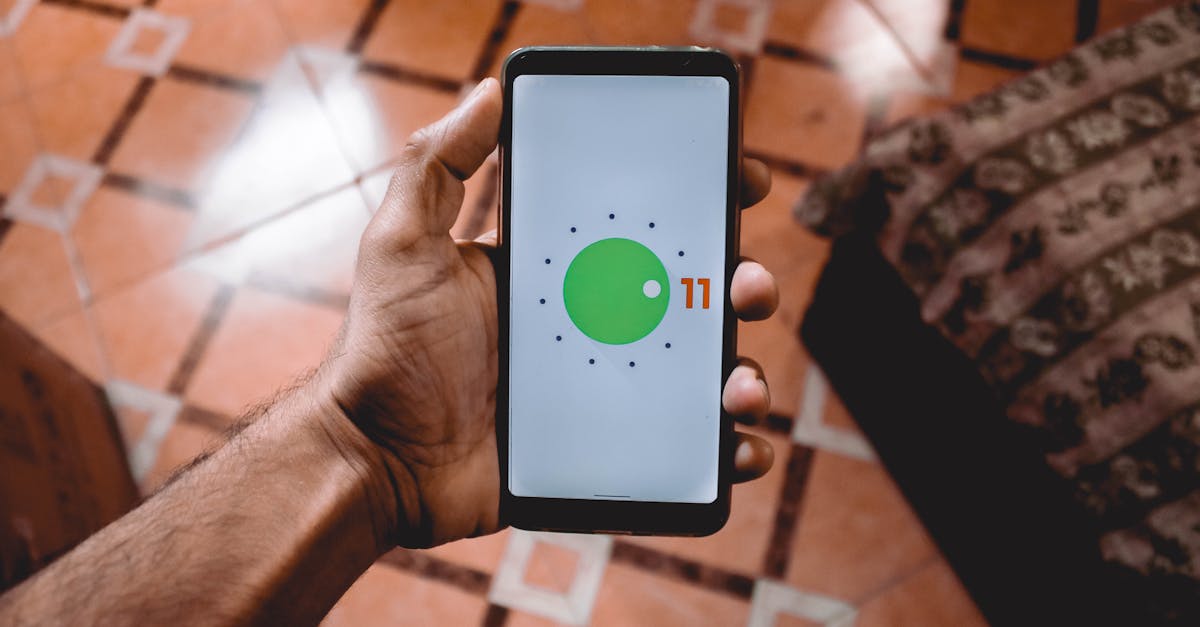
Motorola Razr (2025) and Razr Ultra Android 16 Updates Arrive Early
Meta Description: The Motorola Razr (2025) and Razr Ultra are reportedly receiving their Android 16 updates ahead of schedule. This brings new features and performance enhancements to foldable users across the US. Explore what this early rollout means for the foldable market and Motorola's commitment to timely software support.
Keywords: Motorola Razr (2025), Razr Ultra, Android 16 update, foldable phone, early software update, Motorola software, Android updates, US tech, smartphone innovation
The Motorola Razr (2025) and its premium variant, the Razr Ultra, are experiencing an earlier-than-anticipated rollout of the Android 16 operating system. This proactive software deployment signals Motorola's increased focus on timely updates for its foldable device lineup. For users in the US, this means access to the latest Android features, security patches, and potential performance improvements sooner than expected, potentially setting a new benchmark for foldable software support in the competitive US smartphone market.
- Overview: Motorola Razr (2025) and Razr Ultra Get Android 16
- Background: The Evolution of Motorola Razr Updates
- Key Details of the Android 16 Rollout
- The Early Advantage: Why This Matters for US Users
- What Android 16 Brings to the Razr Foldables
- Industry Analysis: Motorola's Strategic Move
- Potential Impact on the Foldable Market
- Enhanced User Experience on the Razr Platform
- What's Next for Motorola Foldables?
- Frequently Asked Questions
- Conclusion
Overview: Motorola Razr (2025) and Razr Ultra Get Android 16
The latest foldable devices from Motorola, the Razr (2025) and its more advanced sibling, the Razr Ultra, are now reportedly receiving the Android 16 operating system update. This rollout is notable for its speed, arriving earlier in the cycle compared to previous years. For owners of these innovative foldable smartphones in the United States, this development means an earlier opportunity to experience the latest advancements in Android's mobile operating system.
Background: The Evolution of Motorola Razr Updates
Motorola has historically faced challenges with timely software updates, particularly for its flagship devices. However, recent years have seen a noticeable improvement in the company's update cadence. The earlier release of Android 16 for the Motorola Razr (2025) and Razr Ultra suggests a sustained commitment to enhancing the software experience post-purchase. This proactive approach aims to bridge the gap between initial device release and ongoing software support, a critical factor for consumer satisfaction in the premium smartphone segment.
Key Details of the Android 16 Rollout
The Android 16 update for the Motorola Razr (2025) and Razr Ultra is being deployed gradually. Users can typically expect to receive a notification when the update is available for their specific device. The update size can vary but often includes significant feature additions and system optimizations.
- Device Availability: Motorola Razr (2025) and Motorola Razr Ultra
- Operating System: Android 16
- Deployment: Phased rollout, beginning earlier than previous update cycles.
- Region: Initial reports indicate availability for users in key markets, including the United States.
The Early Advantage: Why This Matters for US Users
Receiving the Android 16 update earlier than anticipated provides significant advantages for Motorola Razr (2025) and Razr Ultra owners in the US. This includes:
- Immediate Access to New Features: Users can immediately leverage the latest functionalities and improvements offered by Android 16.
- Enhanced Security: Early updates often include critical security patches, bolstering device protection against emerging threats.
- Performance Optimizations: New OS versions frequently bring under-the-hood enhancements that can improve battery life, app performance, and overall system responsiveness.
- Competitive Edge: This rapid update positions Motorola favorably against competitors, demonstrating a strong commitment to post-launch product support.
The early deployment of Android 16 for the Motorola Razr (2025) and Razr Ultra is a clear signal of Motorola's strategic shift towards prioritizing software support. This is crucial for the long-term appeal of foldable devices, which often command a premium price. By delivering timely updates, Motorola can enhance user satisfaction, reduce churn, and strengthen its brand reputation in the highly competitive US market.
What Android 16 Brings to the Razr Foldables
While specific feature sets often vary based on manufacturer customization, Android 16 itself introduces a range of advancements. Users can anticipate improvements in areas such as:
- Privacy Controls: Enhanced user control over app permissions and data sharing.
- System Performance: Further optimizations for smoother multitasking and app launches.
- Accessibility Features: New tools and refinements to make the device more usable for everyone.
- User Interface Refinements: Subtle visual tweaks and functional enhancements designed to improve the overall user experience.
- Foldable Optimization: Google continuously refines Android for the unique form factors of foldable devices, and Android 16 is expected to continue this trend, potentially leading to even better app scaling and multitasking capabilities on the Razr's flexible display.
Industry Analysis: Motorola's Strategic Move
The early rollout of Android 16 for the Motorola Razr (2025) and Razr Ultra is more than just a software update; it's a strategic move that reflects a maturing foldable market. As more manufacturers enter the foldable space, software support becomes a key differentiator. Motorola's proactive stance could influence other OEMs to accelerate their own update schedules, benefiting consumers across the board. This development reinforces the idea that the foldable experience extends far beyond the initial hardware and into the longevity and usability provided by ongoing software enhancements.
Potential Impact on the Foldable Market
For the US foldable market, this early update could have a ripple effect. It signals that foldable phones are no longer just experimental devices but mature products deserving of robust software support. This could encourage more hesitant consumers to consider a foldable device, knowing that their investment will be supported by the latest operating system features and security updates. Motorola's early delivery might also pressure competitors to be more transparent and timely with their own update plans, fostering a healthier competitive environment.
Enhanced User Experience on the Razr Platform
The integration of Android 16 with Motorola's refined "My UX" interface is expected to offer a seamless and intuitive experience on the Razr (2025) and Razr Ultra. The unique folding form factor of the Razr series is particularly well-suited for leveraging new multitasking features and contextual UI elements that Android 16 might introduce. The broader external display on the Razr models also stands to benefit from any improvements in quick access functionality and app compatibility that the new OS brings.
What's Next for Motorola Foldables?
This early Android 16 update for the Razr (2025) and Razr Ultra sets a positive precedent for future Motorola foldable devices. Consumers can likely expect continued emphasis on timely software delivery and enhancements tailored for the foldable form factor. This sustained support could solidify Motorola's position as a key player in the premium smartphone segment, particularly for users seeking innovative and well-supported foldable technology in the US.
Frequently Asked Questions
Which Motorola phones are receiving the Android 16 update early?
The Motorola Razr (2025) and Motorola Razr Ultra are reportedly receiving the Android 16 update ahead of previous schedules.
When did the Android 16 update for Motorola Razr begin rolling out?
Reports indicate the rollout has begun, and is earlier than in previous update cycles for Motorola devices.
Will all users in the US get the update at the same time?
Software updates are typically deployed in phases. Users will receive a notification when the update is available for their specific device.
What are the key benefits of updating to Android 16?
Android 16 offers enhanced privacy controls, system performance improvements, new accessibility features, and potentially further optimizations for foldable devices.
How does this early update compare to previous Motorola update speeds?
This rollout is noted as being earlier than typical update cycles for Motorola's flagship devices in the past, indicating improved software support.
Conclusion
The early delivery of the Android 16 update for the Motorola Razr (2025) and Razr Ultra represents a significant positive step for Motorola and its US customers. It underscores a commitment to user experience and device longevity, crucial factors in the rapidly evolving smartphone landscape. For owners of these foldable devices, this means an earlier embrace of the latest Android innovations and a continued assurance of robust software support for their premium devices.
Post a Comment