

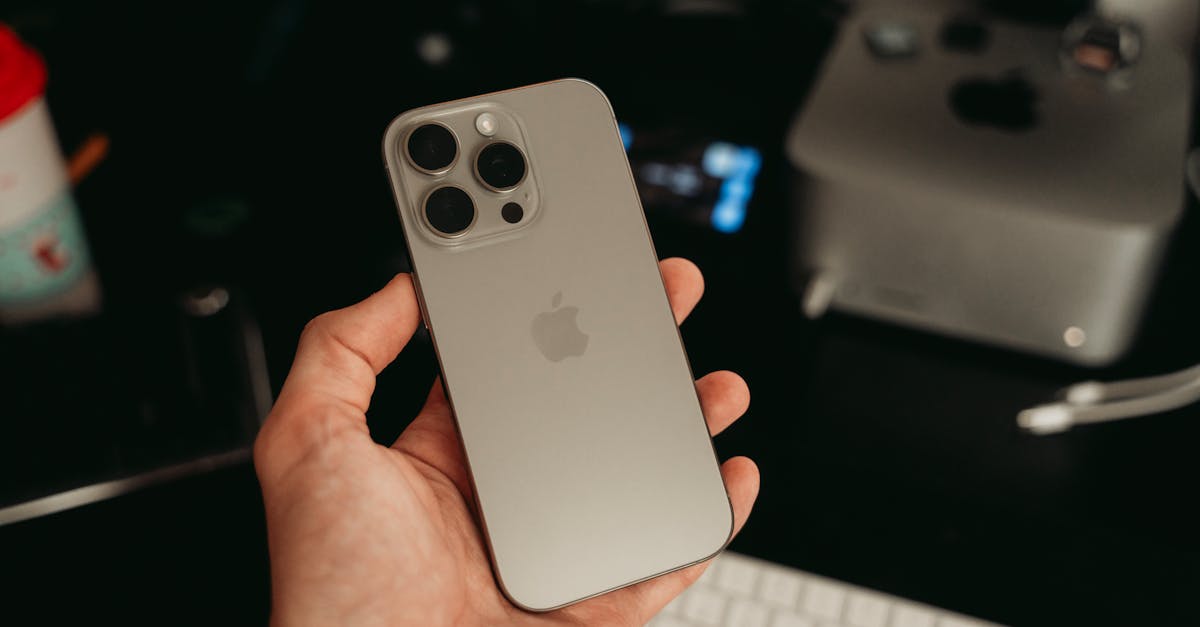
Photo by Szabó Viktor on Pexels
Apple Chooses Amazon Satellites for iPhone, Years After Rejecting Starlink Offer: What It Means for US Users
Meta Description: Explore the implications of Apple's reported partnership with Amazon satellites for iPhone connectivity, contrasting it with a past Starlink rejection. Analyze the impact on US consumers, device innovation, and the future of satellite-to-device communication.
Keywords: Apple chooses Amazon satellites for iPhone, Apple Amazon satellite deal, Apple Starlink rejection, iPhone satellite communication, satellite-to-device, US tech industry, mobile connectivity, emergency SOS, Project Kuiper
Recent industry reports indicate Apple is moving forward with integrating Amazon's Project Kuiper satellites for future iPhone models, a significant development years after reportedly declining a similar offer from Starlink. This strategic shift suggests a focus on enhancing device connectivity, particularly for emergency services and potentially broader data services in underserved areas across the United States.
The move highlights a maturing satellite-to-device market and a competitive landscape involving major tech players. For US consumers, this could translate into improved reliability in remote locations and a potential expansion of what satellite-enabled mobile technology can offer.
Background: The Satellite Connectivity Landscape
The integration of satellite technology into mobile devices marks a notable evolution in telecommunications. Traditionally confined to specialized equipment for remote communication, satellite connectivity is now making its way into mainstream consumer devices, most notably smartphones. This trend is driven by advancements in miniaturization, satellite network capacity, and the growing demand for reliable communication, especially in areas lacking terrestrial cellular coverage. The United States, with its vast rural landscapes and diverse geography, stands to benefit significantly from such advancements.
Key Details: Apple Chooses Amazon Satellites for iPhone, Years After Rejecting Starlink Offer
Early reports suggest that Apple has selected Amazon's Project Kuiper network to power satellite connectivity features on future iPhone models. This decision comes several years after the company reportedly explored and ultimately passed on an opportunity to partner with Starlink, the satellite internet constellation operated by SpaceX. While official confirmation from Apple or Amazon is pending, industry speculation points towards a strategic alignment focused on enabling critical communication services, such as emergency SOS messages when users are outside of cellular range.
Key aspects of this potential deal include:
- Emergency Services Focus: The initial and most probable use case for satellite connectivity in smartphones is to facilitate emergency messaging and location sharing.
- Project Kuiper Network: Amazon's Project Kuiper aims to deploy a constellation of low Earth orbit (LEO) satellites to provide broadband internet access globally. Partnering with Apple would represent a significant early application of this network for device-level communication.
- Future Expansion Potential: Beyond emergency services, there is speculation about the possibility of future iPhones leveraging this partnership for broader connectivity, such as basic messaging or data services in remote areas.
Analysis: Implications for US Users and the Tech Industry
The potential adoption of Amazon satellites for iPhone connectivity carries several implications for US users and the broader technology industry:
For US Users:
- Enhanced Safety in Remote Areas: For hikers, campers, travelers, and residents in rural areas with spotty or non-existent cellular service, this could mean an additional layer of safety through reliable emergency communication. This is particularly relevant for large, geographically diverse regions within the US.
- Potential for Wider Connectivity: If the service evolves beyond emergency use, it could bridge digital divides, offering a lifeline for communication in areas previously unreachable by conventional means.
- Device Ecosystem Integration: Apple's approach typically involves deep integration within its ecosystem. Users can expect seamless operation between the iPhone hardware, software, and the satellite service.
- Competitive Landscape Shift: This move could intensify competition in the satellite-to-device sector, potentially driving innovation and lowering costs for consumers as more players enter the market.
For the US Tech Industry:
- Validation of Satellite-to-Device Technology: Apple's endorsement, regardless of the partner, would serve as a significant validation for the satellite-to-device communication sector, encouraging further investment and development.
- Project Kuiper's Market Entry: This partnership would offer Project Kuiper a high-profile launchpad, demonstrating its capabilities beyond broadband internet and potentially accelerating its deployment and service offerings.
- Impact on Device Design and Development: Integrating new antenna technology and power management systems for satellite communication will present new engineering challenges and opportunities for smartphone manufacturers.
- Regulatory Considerations: The expansion of satellite-based communication services will likely draw attention from regulatory bodies, impacting spectrum allocation, service standards, and user data privacy within the US.
Past Decisions: The Starlink Factor
The narrative around Apple's satellite strategy is incomplete without acknowledging the reported past interactions with Starlink. Years ago, industry speculation suggested discussions between Apple and SpaceX regarding Starlink integration. The eventual decision to reportedly pursue a partnership with Amazon's Project Kuiper instead suggests a variety of potential factors:
- Strategic Alignment: Project Kuiper might offer terms or a technological roadmap that better aligns with Apple's long-term product strategy and development timeline.
- Cost and Commercial Terms: The financial and commercial aspects of any partnership are crucial. Amazon may have presented a more favorable arrangement.
- Network Maturity and Coverage: At the time of past discussions, Starlink's constellation may not have been as developed or geographically positioned to meet Apple's specific needs compared to the projected capabilities of Project Kuiper.
- Competitive Neutrality: Apple often maintains strategic distance from deeply integrated partnerships with companies that have overlapping consumer-facing product lines.
What's Next for iPhone Satellite Features?
The integration of satellite communication into iPhones is likely to be an iterative process. Initially, the focus will almost certainly remain on enhancing safety and emergency features. However, as satellite technology advances and regulatory frameworks evolve, there's potential for expanded functionality. This could include:
- Direct-to-device messaging capabilities for non-emergency situations.
- Integration with other Apple services for data synchronization in low-connectivity environments.
- Support for a wider range of devices within Apple's product ecosystem.
The timeline for the widespread rollout of these features remains speculative, but industry observers anticipate further developments in the coming product cycles. Consumers in the US should monitor official announcements for concrete details on availability and service scope.
Expert Insights
Industry analysts suggest that Apple's move, if confirmed, signifies a crucial step in normalizing satellite connectivity for mobile devices. The focus on emergency services provides a clear and universally valued use case, mitigating initial user adoption barriers. Furthermore, Apple's involvement validates the economic viability of LEO satellite constellations for consumer applications beyond traditional broadband internet. This could accelerate the development of satellite-based services for various sectors, including automotive, IoT, and aviation, all of which have a presence in the US market.
Frequently Asked Questions
What is Project Kuiper?
Project Kuiper is a planned constellation of more than 3,200 low Earth orbit satellites being developed by Amazon to provide broadband internet access.
Has Apple officially confirmed a deal with Amazon for satellite connectivity?
No, currently these are based on early reports and industry speculation. Official announcements from Apple or Amazon are expected for confirmation.
Why would Apple choose Amazon satellites over Starlink?
Potential reasons include better strategic alignment, favorable commercial terms, differing network development timelines, or a preference for a partner with a different market positioning.
Will this mean I can get internet on my iPhone everywhere?
Initially, it is highly probable that the features will be limited to emergency SOS and location services. Broader internet access via satellite would require significant network build-out and technological advancements.
How will this affect iPhones in rural areas of the US?
It could significantly improve safety by providing a reliable way to contact emergency services when traditional cellular coverage is unavailable.
Conclusion
The reported decision by Apple to integrate Amazon's Project Kuiper satellites into future iPhones marks a potentially transformative moment for mobile connectivity. While building upon existing emergency satellite features, this move could pave the way for a more connected future for US users, especially in areas where terrestrial networks fall short. The tech industry watches closely as this collaboration could redefine the capabilities of the smartphone and accelerate the adoption of satellite-to-device technology. Keep an eye out for official announcements that will clarify the scope and availability of these advanced features.
Post a Comment