

 – Tech Berries"
title="
– Tech Berries"
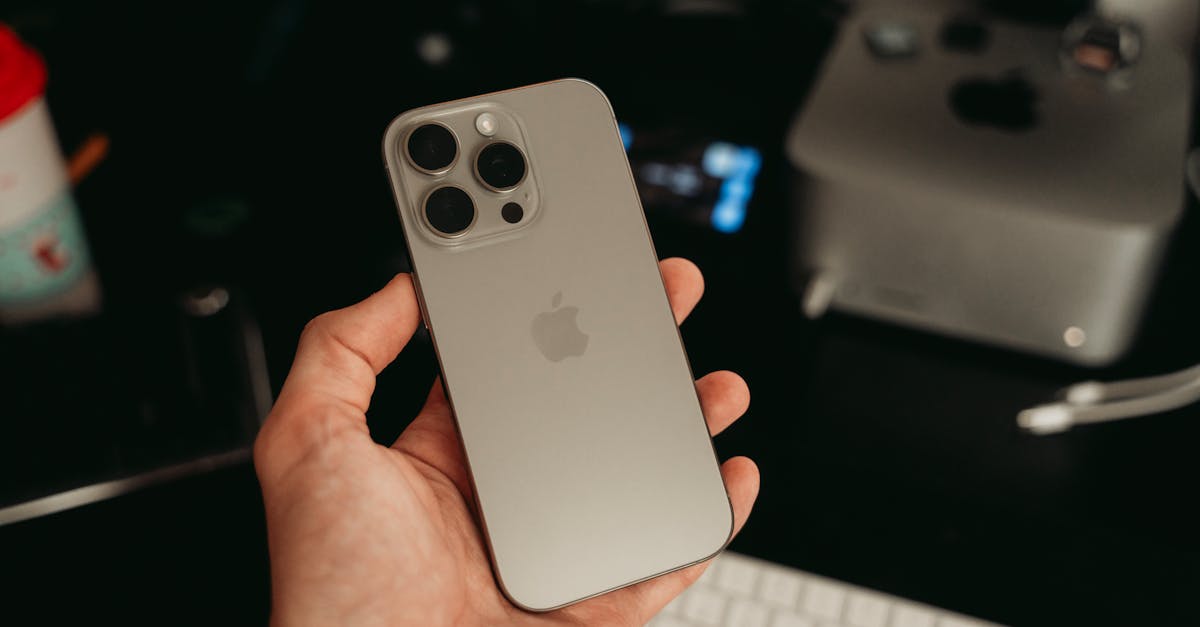
title="Photo by Szabó Viktor on Pexels
Apple Update's Security Measure: A Potential "Czech Mate" for Locked-Out iPhone Users
Meta Description: An upcoming Apple update introduces a new security protocol that could inadvertently lock users out of their iPhones. Explore the implications for US consumers and the broader tech industry.
Keywords: Apple update, iPhone security, locked-out iPhone, device access, Apple security protocol, iOS update, iPhone lockout, user data security, tech industry analysis, US consumers
A forthcoming software update from Apple may introduce a new security feature that, under certain circumstances, could prevent users from accessing their iPhones. This development raises concerns for US iPhone owners regarding potential device lockouts and the need for robust backup and recovery strategies.
Industry observers suggest this move aims to bolster device security but could create significant hurdles for individuals who forget their credentials or face hardware malfunctions.
The implications for user accessibility, data recovery, and the broader tech support ecosystem in the US warrant careful consideration.
Overview: The "Czech Mate" Scenario
The tech landscape is abuzz with early reports and industry speculation surrounding a new security enhancement planned for a future Apple iPhone update. While intended to fortify device protection, this feature is being likened to a "Czech mate" for locked-out iPhone users. This new protocol might introduce a more stringent barrier to device access, potentially leaving individuals unable to regain entry to their iPhones if they forget critical login information or encounter specific technical issues. The concern is that this Apple update could create a difficult situation, a true "Czech mate," for those who find themselves locked out of their primary communication and data hub.
Background on iPhone Security
Apple has consistently prioritized user privacy and device security, implementing multi-layered safeguards such as Face ID, Touch ID, and strong passcode requirements. These features are designed to protect personal data from unauthorized access. Over the years, iOS updates have often included refinements to these security mechanisms, balancing user convenience with robust protection. However, the introduction of new, more complex security protocols can sometimes lead to unintended consequences for legitimate users, particularly when existing access methods are compromised or forgotten.
Key Details of the Upcoming Update
While official confirmation from Apple remains pending, industry observations suggest the upcoming update might involve a more aggressive stance on device re-authentication. This could manifest in several ways:
- Stricter Passcode Policies: The update might enforce more complex or frequently changing passcodes.
- Enhanced Device Linking: A new system may link iPhones more intrinsically to Apple IDs or other verified credentials, making device recovery more dependent on these linked accounts.
- Limited Recovery Options: Early discussions point to a potential reduction in straightforward recovery pathways, moving away from simpler methods like security questions or basic device resets in certain scenarios.
- Hardware/Software Interdependence: The security might rely more heavily on the seamless interaction between specific hardware components and the operating system version, making it harder to bypass or reset if components are damaged or unavailable.
These changes are not yet officially detailed by Apple, and the exact implementation remains subject to development and testing. It is essential to consider these points as emerging information rather than definitive features.
From a cybersecurity perspective, increased friction in device access is often a direct trade-off for enhanced security. For US consumers, this highlights a growing need for proactive data management. Companies like Apple face the challenge of creating security that is both impenetrable to attackers and navigable for legitimate users, especially in recovery situations. This update, if it indeed tightens recovery options, underscores a strategic shift towards account-centric recovery, potentially making the Apple ID the ultimate key to device access. This could lead to increased importance for Apple ID security and multi-factor authentication for all users.
Potential User Issues and Scenarios
The primary concern is the user who forgets their Apple ID password or passcode. In previous iterations, while challenging, there were often multiple avenues for recovery. A more restrictive update could make the following scenarios particularly problematic:
- Forgetting an Apple ID password and being unable to reset it through traditional means.
- Losing access to the email associated with an Apple ID, preventing password reset.
- Experiencing hardware failure that requires a device reset, with new protocols making data recovery more difficult.
- Situations where a user might need to grant access to a device for family members or in emergencies, if the new system is overly rigid.
These potential issues could turn a minor inconvenience into a significant problem, effectively leaving a user without their primary device and the data it contains.
Broader Industry Impact
This potential shift by Apple could influence other major tech players in the mobile and computing space. If Apple's enhanced security proves effective in reducing device theft and unauthorized access, other companies might follow suit, further normalizing more stringent security protocols. This could lead to:
- Increased Demand for Robust Account Management: Users will need to prioritize the security and accessibility of their primary online accounts (e.g., Google, Microsoft, Apple).
- Evolution of Tech Support: Companies' support structures may need to adapt to handle more complex lockout and recovery scenarios.
- Focus on Data Backup: The importance of regular and reliable cloud backups or local backups will become even more critical for all device users.
- Hardware Interoperability Concerns: A stronger link between specific hardware and software security could raise questions about device longevity and repairability if key components are tied to software access.
What's Next for Users?
As this update is still in its nascent stages of discussion and not officially rolled out, US users have a window to prepare:
- Review Apple ID Security: Ensure your Apple ID password is strong, unique, and that multi-factor authentication is enabled and accessible.
- Verify Recovery Information: Keep your associated recovery email and phone number up-to-date within your Apple account settings.
- Prioritize Backups: Regularly back up your iPhone data to iCloud or a computer. This is the most critical step to mitigate data loss in any lockout scenario.
- Stay Informed: Monitor official announcements from Apple regarding upcoming iOS updates and their security features.
Frequently Asked Questions
What does "Czech mate for locked-out iPhone user" mean in this context?
It refers to a situation where a new security feature in an Apple update could create an inescapable trap, making it extremely difficult or impossible for a legitimate user to regain access to their iPhone if they get locked out.
Has Apple officially announced this new security update?
No, as of current information, specific details about this particular security enhancement have not been officially confirmed by Apple. This is based on early reports and industry speculation.
What are the main concerns for US iPhone users?
The primary concern is the potential for being permanently locked out of their device and losing access to personal data if they forget credentials or encounter technical problems, with fewer recovery options available.
How can users prepare for potential stricter security measures?
Users should focus on securing their Apple ID, enabling multi-factor authentication, updating recovery information, and ensuring regular data backups.
Could this impact older iPhone models?
Typically, major security updates are rolled out to supported iPhone models. The exact compatibility with older devices will depend on Apple's specific release notes for the update.
Conclusion
The potential for a new Apple update to create a "Czech mate" scenario for locked-out iPhone users highlights the ongoing evolution of mobile device security. While enhanced protection is generally a positive step, it underscores the paramount importance of user preparedness. For US consumers, proactively managing Apple ID credentials and ensuring comprehensive data backups are no longer just good practices but essential steps to safeguard access to their digital lives. As more information emerges, staying informed will be key to navigating these evolving security landscapes.
Post a Comment