

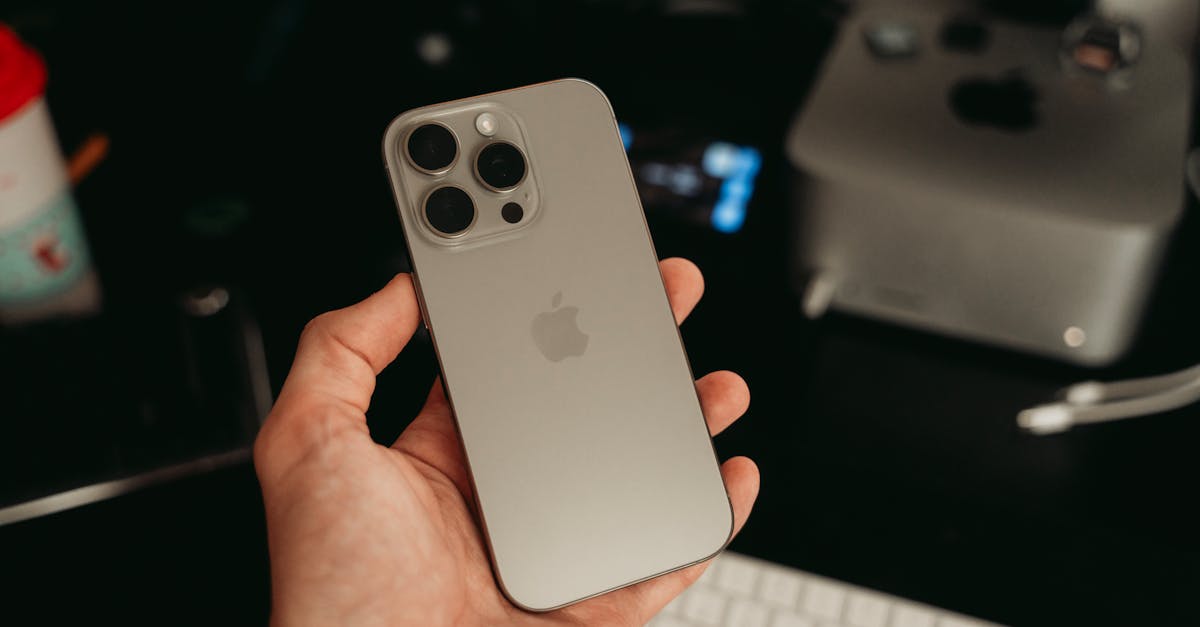
Photo by Szabó Viktor on Pexels
The iPhone That Never Was: Unpacking the Speculative Designs of Apple's Phantom Device
Meta Description: Explore the intriguing concept of "The iPhone That Never Was," analyzing speculative designs and features that could have reshaped the US smartphone landscape. Delve into Apple's rumored R&D and the implications for US tech enthusiasts.
Keywords: The iPhone That Never Was, Apple rumored designs, iPhone prototypes, US smartphone market, Apple R&D, speculative iPhone features, Phantom iPhone, next-gen iPhone
While the official iPhone lineup is well-documented, industry speculation and early reports suggest Apple has explored radical design concepts that never reached mass production. This post examines the intriguing possibilities of "The iPhone That Never Was," focusing on potential features and design philosophies that, had they materialized, could have significantly influenced the US tech market and consumer expectations for future Apple devices.
These unreleased concepts, often born from ambitious R&D and rapid prototyping, represent a fascinating counter-narrative to Apple's public product evolution. Understanding these phantom iPhones offers a unique perspective on innovation drivers and the strategic decisions shaping the US tech landscape.
Overview: The iPhone That Never Was
The narrative of the iPhone is one of consistent evolution, marked by predictable annual updates and design refinements. However, the world of technology development is rarely linear. Behind every released product lies a spectrum of ideas, prototypes, and concepts that never see the light of day. "The iPhone That Never Was" refers to these unreleased, speculative versions of Apple's iconic smartphone, often alluded to through industry whispers, patent filings, and accounts from former employees. These phantom devices represent a rich, albeit unconfirmed, chapter in Apple's product development history, offering a glimpse into alternative futures for the US smartphone market.
Background: Apple's Innovation Crucible
Apple's R&D labs are often described as intense environments where ambitious ideas are explored and rigorously tested. Early reports and industry speculation suggest that for every iPhone generation, multiple design directions are pursued simultaneously. This iterative process, while often hidden from public view, allows Apple to push boundaries and explore radical shifts in hardware and software integration. The development of the iPhone has historically involved exploring diverse form factors, material sciences, and user interface paradigms. Understanding this background is crucial to appreciating the potential scope of "The iPhone That Never Was."
Speculative Design Concepts
The concept of "The iPhone That Never Was" can encompass a variety of speculative designs. Early reports and industry speculation have hinted at:
- Radical Form Factors: Ideas that might have pushed beyond the familiar slab design, perhaps exploring different folding mechanisms or integrated, flexible displays that differed significantly from current foldable phone trends.
- Material Innovations: Prototypes exploring entirely new materials for device construction, aiming for enhanced durability, different tactile experiences, or novel aesthetic qualities that did not make it to production iPhones.
- Unique Button Configurations: Concepts that moved away from the established physical button layout, perhaps experimenting with solid-state buttons that provided haptic feedback, or even entirely buttonless designs in earlier stages of development.
- Integrated Projectors or Advanced Sensors: Some early reports have touched upon ambitious ideas involving built-in pico projectors for larger screen experiences or highly advanced sensor arrays that were deemed too costly, complex, or not yet feasible for mass consumer adoption in the US market.
Potential Game-Changing Features
Beyond form factor, "The iPhone That Never Was" might have housed features that could have preempted or significantly altered the trajectory of the US smartphone industry. These speculative features, based on industry speculation and patent analyses, could have included:
- Under-Display Camera Technology: Early explorations into embedding the front-facing camera beneath the display, aiming for a truly edge-to-edge screen experience years before it became a more widespread industry goal.
- Advanced Haptic Feedback Systems: Concepts that envisioned more sophisticated tactile responses, going beyond simple vibrations to simulate textures or provide more nuanced feedback for user interactions.
- Integrated Stylus Support (Earlier than Pro Models): Industry speculation has sometimes pointed to earlier internal discussions or prototypes exploring stylus integration, potentially offering a different user interaction paradigm for a broader iPhone audience in the US.
- Enhanced Wireless Charging Capabilities: Ideas that could have included longer-range wireless charging or magnetic charging solutions that differed from current MagSafe implementations.
The existence of these unreleased concepts highlights Apple's continuous experimentation. While some ideas may be abandoned due to technological limitations or market viability, others can inform future product development. For the US tech industry, this speculative R&D underscores the competitive pressure and the drive for innovation that characterizes the smartphone sector. If truly revolutionary ideas have been shelved, their potential re-emergence in future Apple products could redefine user expectations and create new market segments.
Expert Analysis: Impact on US Tech
The exploration of radical designs and features for "The iPhone That Never Was" has significant implications for the US technology landscape. Apple's decision to pursue or abandon specific concepts can shape industry trends, influence competitor strategies, and ultimately dictate the types of devices available to US consumers. For instance, if early prototypes explored under-display cameras, it could explain why Apple might have waited for the technology to mature before implementing it, rather than releasing a less polished version. This cautious approach, while sometimes perceived as slow, often ensures that when a feature is introduced, it meets Apple's high standards for user experience, impacting how other US manufacturers approach similar innovations. The very existence of these "phantom" iPhones, even if unconfirmed, fuels discussion and sets a benchmark for what users might expect from future smartphone generations in the US.
What If? Scenarios
Considering the potential features of "The iPhone That Never Was" opens up intriguing "what if" scenarios for the US market:
- What if an early iPhone featured a truly bezel-less, under-display camera system? This could have accelerated the industry's push towards full-screen designs and potentially changed the aesthetic evolution of smartphones globally, impacting US consumer preferences.
- What if Apple had adopted a foldable design much earlier? This could have led to a different landscape for foldable devices in the US, potentially establishing Apple's design language for this form factor sooner and influencing how Android manufacturers approached their own foldable offerings.
- What if radical new materials had been implemented? Devices with significantly different textures or durability could have altered consumer perceptions of smartphone build quality and longevity in the US.
These hypothetical scenarios illustrate how unreleased innovations, even if kept secret, possess the potential to reshape entire product categories and consumer expectations within the US market.
Learning More About Apple's R&D
While specific details about "The iPhone That Never Was" remain speculative, interested US consumers can gain insight into Apple's development process by observing patterns in:
- Apple's Patent Filings: These documents often reveal forward-thinking technologies and design ideas that Apple is exploring, even if they aren't immediately integrated into products.
- Industry Analyst Reports: Reputable tech analysts frequently provide insights into Apple's R&D pipeline, based on supply chain intelligence and industry connections.
- Former Employee Accounts: Occasionally, former Apple employees share insights into the company's product development culture and past projects, offering glimpses into unreleased concepts.
By piecing together information from these sources, a more comprehensive, albeit still speculative, picture of Apple's ambitious R&D efforts can be formed, relevant to the US market.
Frequently Asked Questions
What is meant by "The iPhone That Never Was"?
It refers to speculative or rumored iPhone designs and features that were explored in Apple's research and development but did not make it into commercially released products.
Are there any confirmed examples of these phantom iPhones?
Apple is known for its secrecy, and specific details are often unconfirmed. However, industry speculation and patent filings hint at numerous explored concepts.
How do these unreleased designs impact the US smartphone market?
They showcase Apple's potential future directions, influence competitor strategies, and set aspirational benchmarks for innovation in the US tech industry.
Where can I find information about potential future iPhone designs?
Following Apple's patent filings, reputable tech analyst reports, and industry rumors can provide insights into potential future directions for the iPhone in the US.
Conclusion
The concept of "The iPhone That Never Was" offers a compelling look at the hidden currents of innovation within one of the world's leading tech companies. While concrete evidence of specific phantom iPhones remains elusive, the persistent speculation and the nature of technological development suggest that Apple has indeed explored designs and features that could have significantly altered the smartphone landscape in the US. These speculative futures serve as a reminder that behind the polished products consumers see, lies a dynamic process of experimentation that continues to shape the technology we use every day. Understanding these unreleased possibilities provides a richer context for appreciating the iPhones that do make it to market and the strategic considerations that guide Apple's product evolution for US consumers.
Post a Comment