

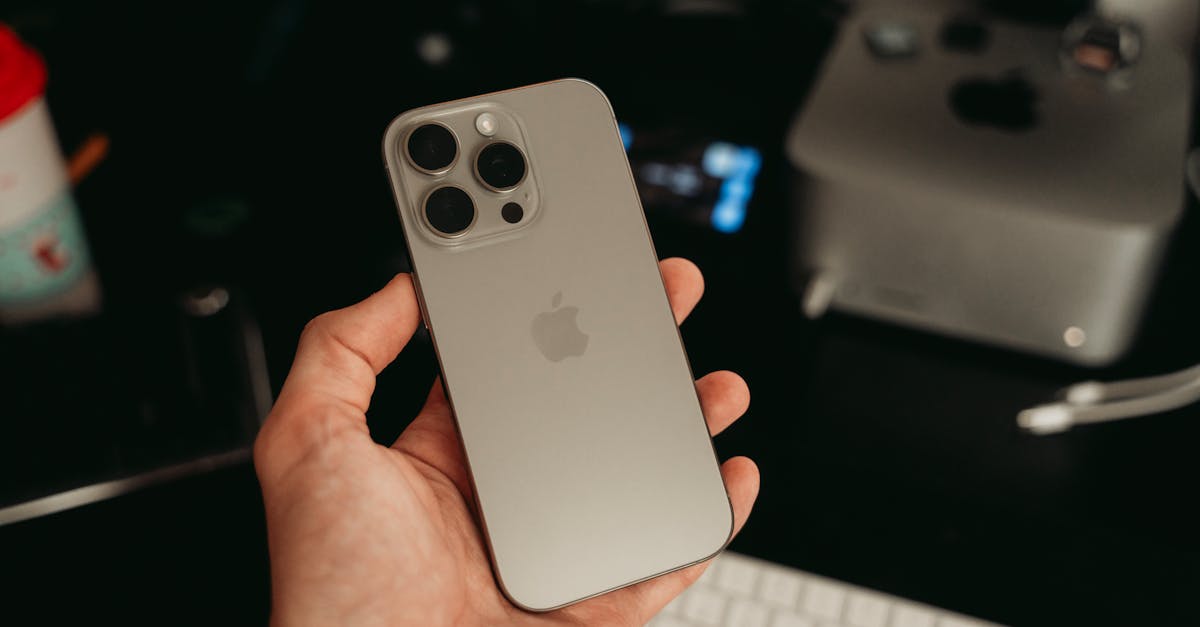
Photo by Szabó Viktor on Pexels
AirPods Pro 2 & iPhone 14: New Camera Integration in iOS 16 Explained
Meta Description: Discover how AirPods Pro 2 and the iPhone 14 leverage new iOS 16 camera features. Learn about enhanced audio capture for improved FaceTime and Spatial Audio experiences, and explore the integration for US users.
Keywords: AirPods Pro 2, iPhone 14, iOS 16, camera feature, audio capture, Spatial Audio, FaceTime, Apple ecosystem, US tech, wireless earbuds
Recent advancements in iOS 16 have unlocked new functionalities for AirPods Pro 2, particularly in how they interact with the iPhone 14's camera system. This update focuses on enhancing audio capture for more immersive communication and entertainment experiences. For US users, this integration promises a refined audio-visual synergy within the Apple ecosystem.
The core of this new feature involves leveraging the advanced microphone arrays in AirPods Pro 2 to capture and process audio in ways that better complement video recording and communication on the iPhone 14. This allows for clearer calls and more personalized audio environments.
This post breaks down the functionality, its implications, and how to utilize it.
Overview & Background
The relationship between Apple's hardware and software is a cornerstone of its user experience. With the release of iOS 16, a significant update for compatible iPhones, new capabilities have emerged that enhance the functionality of accessories like AirPods Pro 2. While often associated with audio playback and noise cancellation, AirPods Pro 2 are now demonstrating a deeper integration with the iPhone's visual capabilities, specifically its camera system. This isn't a direct camera control, but rather an enhancement of the audio input that complements video recording and communication. This synergy aims to provide a more professional and immersive experience for users across the United States.
AirPods Got New iPhone Camera Feature in iOS 16: Here’s How to Use It
The new feature is not a singular button press but rather an enhanced mode of operation that benefits from specific software settings and hardware capabilities. The primary benefit is improved audio capture when using the iPhone camera for recording or during video calls.
Enabling Enhanced Audio Capture
This functionality is largely automatic when certain conditions are met. However, ensuring your devices are up-to-date is crucial:
- Update to iOS 16: Ensure your iPhone is running the latest version of iOS 16. This is the foundational step.
- Pair AirPods Pro 2: Your AirPods Pro 2 must be connected to your iPhone 14 (or other compatible iPhone running iOS 16).
- Utilize Supported Apps: The enhancements are most noticeable in apps that utilize the microphone for audio capture, such as the native Camera app for video recording, FaceTime, and other third-party video conferencing or recording applications.
How it Works in Practice
When you initiate a video recording on your iPhone 14 with AirPods Pro 2 connected, iOS 16 can intelligently direct audio capture. Instead of solely relying on the iPhone's built-in microphones, the system can prioritize the microphones on your AirPods Pro 2. This is particularly effective in scenarios where you want to capture your voice clearly while recording video, or during a FaceTime call where you might be at a slight distance from the phone.
Leveraging Spatial Audio for Enhanced Video
A key aspect of this integration is how it works with Spatial Audio. When recording video in supported formats, the iPhone 14 can utilize the spatial audio capabilities of the AirPods Pro 2 to create a more immersive soundscape. This means that sounds recorded from different directions will be replicated with greater accuracy when played back, especially through AirPods Pro 2 or other Spatial Audio-compatible headphones.
Improved FaceTime Experiences
During FaceTime calls, the ability to use AirPods Pro 2's microphones is significantly beneficial. iOS 16, in conjunction with the AirPods Pro 2, can apply advanced audio processing to isolate your voice and reduce background noise, making your conversations clearer for the person on the other end, even if your iPhone is not directly in front of you.
The integration of AirPods Pro 2's microphones with the iPhone camera in iOS 16 represents a subtle yet significant evolution in how Apple envisions mobile communication and content creation. It moves beyond simple audio playback to active audio capture that enhances visual media. For content creators in the US, this can mean more professional-sounding videos without the need for external microphones in many casual recording situations. For everyday users, it translates to clearer and more engaging video calls.
Key Features and Benefits
- Enhanced Voice Clarity: The microphones in AirPods Pro 2 are designed for voice calls, and iOS 16 allows them to be prioritized for video recording and communication, leading to clearer audio output.
- Reduced Background Noise: Advanced noise reduction algorithms can be applied to the audio captured by the AirPods Pro 2, minimizing distractions from ambient sounds.
- Immersive Spatial Audio Recording: For videos, the integration allows for spatial audio capture, creating a more realistic and engaging listening experience upon playback.
- Convenience: Users can benefit from improved audio without needing to manually switch microphone sources in most scenarios.
- Seamless Ecosystem Integration: This feature further solidifies the interconnectedness of Apple devices, providing a fluid user experience.
Expert Analysis: Implications for US Users
The impact of this feature on US users is multifaceted. For individuals who frequently use their iPhones for video calls, the clarity improvements can lead to more professional and less frustrating communication. This is particularly relevant in a country with a significant remote workforce and widespread use of video conferencing.
Furthermore, the enhanced audio capture for video recording has implications for the growing creator economy. Aspiring YouTubers, TikTokers, and other content creators can potentially achieve higher-quality audio for their videos directly from their iPhones and AirPods Pro 2, lowering the barrier to entry for producing polished content.
From a technological standpoint, this highlights a trend of increasing sophistication in the audio processing capabilities of wireless earbuds. It suggests a future where earbuds are not just for listening but also for active participation in content creation and communication, using their built-in microphones in more intelligent ways.
However, the effectiveness of this feature can be influenced by environmental factors. In very noisy environments, even advanced microphones might struggle. Additionally, the processing power required might have a minor impact on battery life, though this is generally well-managed by Apple's integrated systems.
Troubleshooting Common Issues
If you're not experiencing the expected audio improvements, consider the following:
- Check Software Updates: Ensure both your iPhone and AirPods Pro 2 firmware are up-to-date.
- Verify AirPods Connection: Make sure your AirPods Pro 2 are actively connected to your iPhone. You can check this in Bluetooth settings or via the Control Center.
- App Permissions: Confirm that the apps you are using have permission to access the microphone. This can be managed in the iPhone's Settings app under Privacy & Security > Microphone.
- Spatial Audio Settings: For Spatial Audio recording, ensure the feature is enabled for your AirPods Pro 2 in Bluetooth settings.
- Restart Devices: Sometimes a simple restart of both your iPhone and AirPods Pro 2 can resolve connectivity or performance glitches.
What's Next for AirPods and iPhone Integration?
This integration is likely just the beginning. As Apple continues to develop its spatial computing initiatives and enhance its camera technologies, we can anticipate even deeper synergies. Future iterations might see AirPods Pro offering more advanced audio processing for AR/VR applications, real-time audio manipulation during video recording, or even using their sensors to provide contextual audio cues for visual content.
The push towards more sophisticated AI and machine learning within Apple's ecosystem suggests that audio capture will become even smarter, adapting dynamically to different recording scenarios and user needs. This could lead to automatic genre detection for audio capture or personalized audio profiles for different users.
Frequently Asked Questions
Do I need AirPods Pro 2 to use this feature?
While other AirPods models may benefit from some iOS 16 audio enhancements, the specific camera integration leveraging advanced microphone arrays for enhanced capture is most prominent with AirPods Pro 2.
Can I manually select AirPods Pro 2 as the microphone source?
In many native apps, iOS 16 automatically prioritizes the AirPods Pro 2 microphones when connected and in use for video recording or calls. For third-party apps, manual selection might depend on the app's own settings.
Does this feature work with older iPhone models running iOS 16?
The iPhone 14 is specifically mentioned due to its advanced camera and processing capabilities that complement this feature. While iOS 16 offers general audio improvements across compatible iPhones, the full extent of this camera integration is best experienced with newer models like the iPhone 14.
Will this drain my AirPods Pro 2 battery faster?
Actively using the microphones for extended periods, especially with advanced processing, can consume more battery power than passive listening. However, Apple's power management is generally efficient.
Conclusion
The new camera-related audio features for AirPods Pro 2 in iOS 16 represent a significant step in device integration. By enabling enhanced audio capture and leveraging Spatial Audio, Apple is providing US users with more tools for clearer communication and richer content creation directly from their iPhones. Keeping your devices updated is key to unlocking these improvements, ensuring a seamless and more immersive audio-visual experience.
Post a Comment