

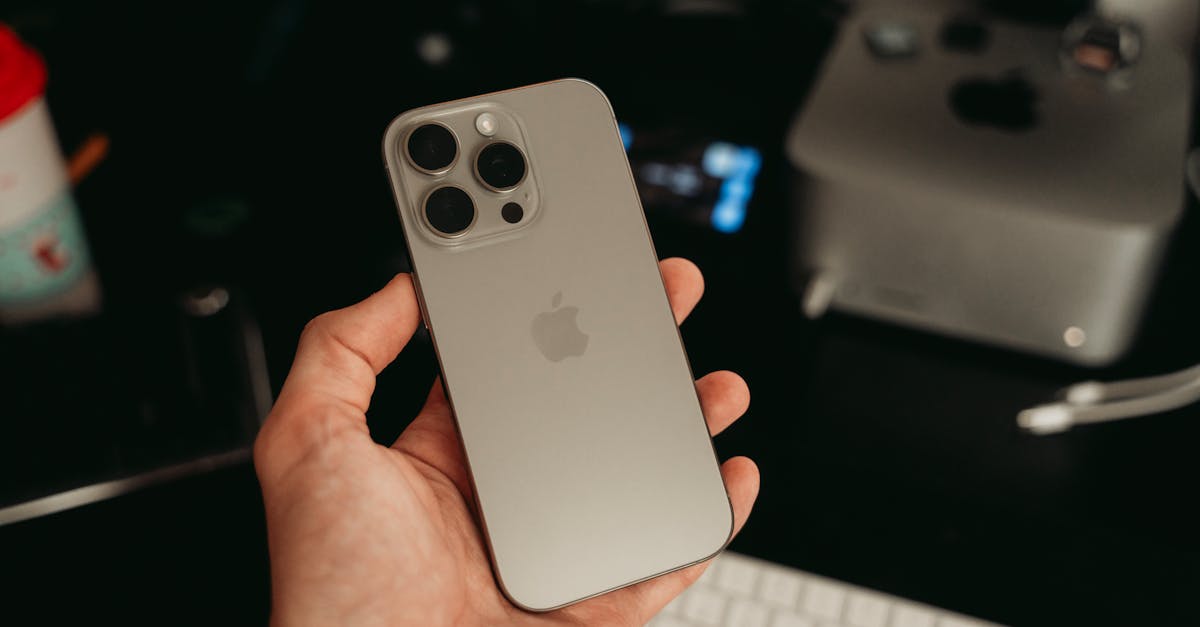
Photo by Szabó Viktor on Pexels
The $1,299 iPhone 18 Pro: Deconstructing the Potential Cost of Next-Gen Flagship
Meta Description: Explore the factors contributing to the potential $1,299 price point for the iPhone 18 Pro. Analyzing component costs, R&D, market positioning, and US consumer trends.
Keywords: iPhone 18 Pro cost, $1,299 iPhone, iPhone pricing, smartphone costs, tech industry analysis, US tech market, Apple pricing strategy, iPhone 18 Pro launch
The potential $1,299 price tag for the upcoming iPhone 18 Pro warrants a closer look at the complex interplay of factors driving flagship smartphone costs. This analysis delves into production expenses, technological advancements, and the broader US consumer electronics market to understand why such a price point is becoming a possibility for premium devices.
Understanding the $1,299 iPhone 18 Pro
The smartphone market, particularly at its highest tier, is a landscape of continuous innovation and escalating costs. Industry speculation suggests the iPhone 18 Pro could debut with a starting price of $1,299. This figure, while substantial, is not without precedent and reflects a confluence of economic and technological pressures. Understanding this potential price point requires examining the multifaceted drivers behind it.
Historical Pricing Trends
The evolution of flagship smartphone pricing has shown a consistent upward trajectory over the past decade. Initial high-end devices, while expensive for their time, paved the way for today's premium offerings. The introduction of models with advanced camera systems, larger displays, and enhanced processing power gradually increased baseline costs. This historical context reveals a trend where increased functionality and technological sophistication correlate with higher retail prices.
Component Cost Analysis
At the core of any device's price are its constituent parts. For a device like the iPhone 18 Pro, several key components contribute significantly to manufacturing expense. Early reports indicate the incorporation of more advanced display technologies, potentially including next-generation OLED panels with higher refresh rates and improved brightness. The integration of more powerful and efficient processors, essential for AI capabilities and demanding applications, also represents a significant investment. Furthermore, advancements in camera sensor technology, potentially featuring larger sensors or more sophisticated lens arrangements, add to the overall bill of materials. The ongoing research and development into new materials for device construction, aiming for increased durability and premium aesthetics, also factor into the cost. Secure component sourcing and supply chain management in the global market further influence these expenses.
Research and Development Investment
The development cycle for flagship smartphones is incredibly long and resource-intensive. Companies invest billions of dollars annually in research and development (R&D). This R&D is crucial for pushing the boundaries of mobile technology, from battery life and charging speeds to computational photography and artificial intelligence. The pursuit of innovative features, such as advanced biometric security, enhanced haptic feedback systems, and seamless integration with emerging technologies, requires dedicated teams of engineers and scientists. The substantial R&D expenditure is amortized across the devices sold, directly impacting the final consumer price. The drive to innovate and maintain a competitive edge necessitates continuous and significant R&D investment.
Market Positioning and US Consumer Demand
The US market for premium smartphones is characterized by strong demand for the latest innovations and brand prestige. Flagship devices are often positioned as status symbols and essential tools for productivity and connectivity. Companies strategically price their top-tier models to align with perceived value and competitive offerings. The expectation of cutting-edge features, superior build quality, and a robust ecosystem often justifies a higher price point for US consumers who are early adopters of new technology. The perceived value proposition, encompassing not just the hardware but also software updates, customer support, and brand loyalty, plays a critical role in the willingness of US consumers to invest in premium devices. This market dynamic allows for the establishment of higher price ceilings for devices that consistently deliver on performance and user experience.
A $1,299 iPhone 18 Pro could signal a continued bifurcation in the US smartphone market. While it reinforces the premium segment's viability and incentivizes continued innovation in areas like advanced chipsets and display technology, it also places increasing pressure on mid-range and budget device manufacturers to offer compelling value propositions. For the broader US tech industry, this trend encourages investment in next-generation components and R&D, potentially leading to broader technological advancements that eventually trickle down to more affordable devices. However, it also raises questions about digital accessibility and affordability for a segment of the US population.
What if the Price Reaches $1,299?
If the iPhone 18 Pro indeed launches at $1,299, it would represent a new benchmark for the device's starting price. This would likely:
- Reinforce the premium segment's focus on cutting-edge technology and materials.
- Potentially influence pricing strategies of competing flagship Android devices.
- Emphasize the long-term value proposition through software support and ecosystem integration for US buyers.
- May lead to increased interest in trade-in programs and financing options for US consumers.
Frequently Asked Questions
Is $1,299 a confirmed price for the iPhone 18 Pro?
Industry speculation suggests this price point, but official confirmation will come from the manufacturer closer to launch.
What drives the high cost of flagship smartphones?
Key drivers include advanced component costs, extensive research and development, sophisticated manufacturing processes, and market positioning.
Will older iPhone models become cheaper?
Typically, when new models are released, the prices of previous generations are adjusted downwards, making them more accessible.
How does R&D impact the final price?
Significant investment in innovation, new materials, and software development is recouped through the sale of devices, thus influencing their retail price.
Conclusion
The potential $1,299 price tag for the iPhone 18 Pro is a reflection of significant investments in technology, R&D, and market strategy. While a substantial figure, it aligns with the trend of premium device pricing driven by advanced features and a demand for top-tier performance in the US consumer electronics market. As with any high-cost product, consumers will weigh the benefits of cutting-edge innovation against the financial investment, a calculation that shapes the ongoing evolution of the smartphone industry.
More Helpful Reads
Interested in understanding smartphone trends? Consider exploring articles on:
Post a Comment